Are electric skateboards legal in the United Kingdom?
Not allowed on public roads. No UK statute names the electric skateboard. The Department for Transport treats motor-powered personal devices as “powered transporters”, which it says “fall within the legal definition of a “motor vehicle””, and its 2020 Future of Transport call for evidence lists the “Electric Skateboard” under the heading “Devices not currently legal for use on the road”. DfT guidance states it is illegal to use a powered transporter on pavements and in cycle lanes, and on public roads unless the full motor-vehicle requirements (insurance, registration, licensing, etc.) are met, which it says users “will find very difficult”. The only lawful setting the guidance identifies is private land with the owner's permission.
10 electric skateboards in stock in the United Kingdom, priced at each shop ↓
What the law says
| What the text says | Section | |
|---|---|---|
| Motor vehicle definition | Road Traffic Act 1988, s. 185(1): “motor vehicle” means “a mechanically propelled vehicle intended or adapted for use on roads”. The Act does not name electric skateboards; the DfT guidance says of powered transporters that “they fall within the legal definition of a “motor vehicle”” and that “There is no specially-designed legal regime for powered transporters.” | Road Traffic Act 1988, s. 185 |
| E-skateboard listed as not road-legal | The DfT Future of Transport Regulatory Review call for evidence (March 2020), Figure B “Examples of Micromobility Devices”, places the “Electric Skateboard” (with the electric scooter, self-balancing scooter and Segway) under “Devices not currently legal for use on the road”. The same document states: “At present, most micromobility vehicles cannot legally be used on the road. This is because they are ‘motor vehicles’ in law”. This is a consultation document, not legislation. | DfT, Future of Transport Regulatory Review: Call for Evidence (March 2020), Figure B |
| Public roads | DfT guidance: it is illegal to use a powered transporter “on a public road without complying with a number of legal requirements, which potential users will find very difficult”. Those requirements “include insurance; conformity with technical standards and standards of use; payment of vehicle tax, licensing, and registration; driver testing and licensing; and the use of relevant safety equipment.” | DfT information sheet: Powered transporters (updated 13 July 2020) |
| Pavements | Highway Act 1835, s. 72 penalises anyone who “shall wilfully ride upon any footpath or causeway by the side of any road made or set apart for the use or accommodation of foot passengers”. DfT guidance (section 4.1): “It is an offence to use powered transporters on the pavement.” | Highway Act 1835, s. 72 |
| Footpaths, bridleways and restricted byways | Road Traffic Act 1988, s. 34(1): a person who “without lawful authority” drives a mechanically propelled vehicle “on any road being a footpath, bridleway or restricted byway” is “guilty of an offence”. The guidance: powered transporters “cannot be used on bridleways or restricted byways (section 34, Road Traffic Act 1988)”. | Road Traffic Act 1988, s. 34 |
| Cycle lanes and cycle tracks | Road Traffic Act 1988, s. 21(1) (England and Wales): a person who “without lawful authority, drives or parks” a mechanically propelled vehicle “wholly or partly on a cycle track is guilty of an offence”. DfT guidance (section 4.2): “Powered transporters are prohibited from using cycle tracks, cycle lanes on roads, or other spaces dedicated to pedal cycle use only”. | Road Traffic Act 1988, s. 21 |
| Private land | DfT guidance: it is legal to use a powered transporter “on private land with the permission of the land owner”; there are “no statutory restrictions on the use of powered transporters on private land which is not accessible to the public.” | DfT information sheet: Powered transporters (updated 13 July 2020) |
| E-scooter trials do not extend to e-skateboards | The rental e-scooter trial rules (15.5 mph maximum, category Q licence, helmet “recommended but are not a legal requirement”) apply only to approved rental e-scooters; the guidance states “Trials are for approved rental e-scooters only. The rules for private e-scooters and other powered transporters have not changed”. | DfT information sheet: Powered transporters (updated 13 July 2020) |
Each row is the statute's own content, reduced to plain wording where it is long and quoted directly where the exact words matter. The section in the last column is a link to the text.
Electric skateboards in stock in the United Kingdom
Read the law above before you buy. The texts we read for the United Kingdom keep this device off public roads. Private land and closed tracks are another matter, and some riders buy for a trip or a move — check where you would actually ride it first.
Priced at shops in the United Kingdom, in the currency they charge. Real deals and new lows first, then the lowest price; checked twice a day at the shop itself. We do not rate boards and take no payment for a place here.
| Product | Best price | Verdict | Buy |
|---|---|---|---|
 |
1899.00 GBP1749.00 GBP | ✓New low | |
 |
2099.00 GBP1999.00 GBP | ✓New low | |
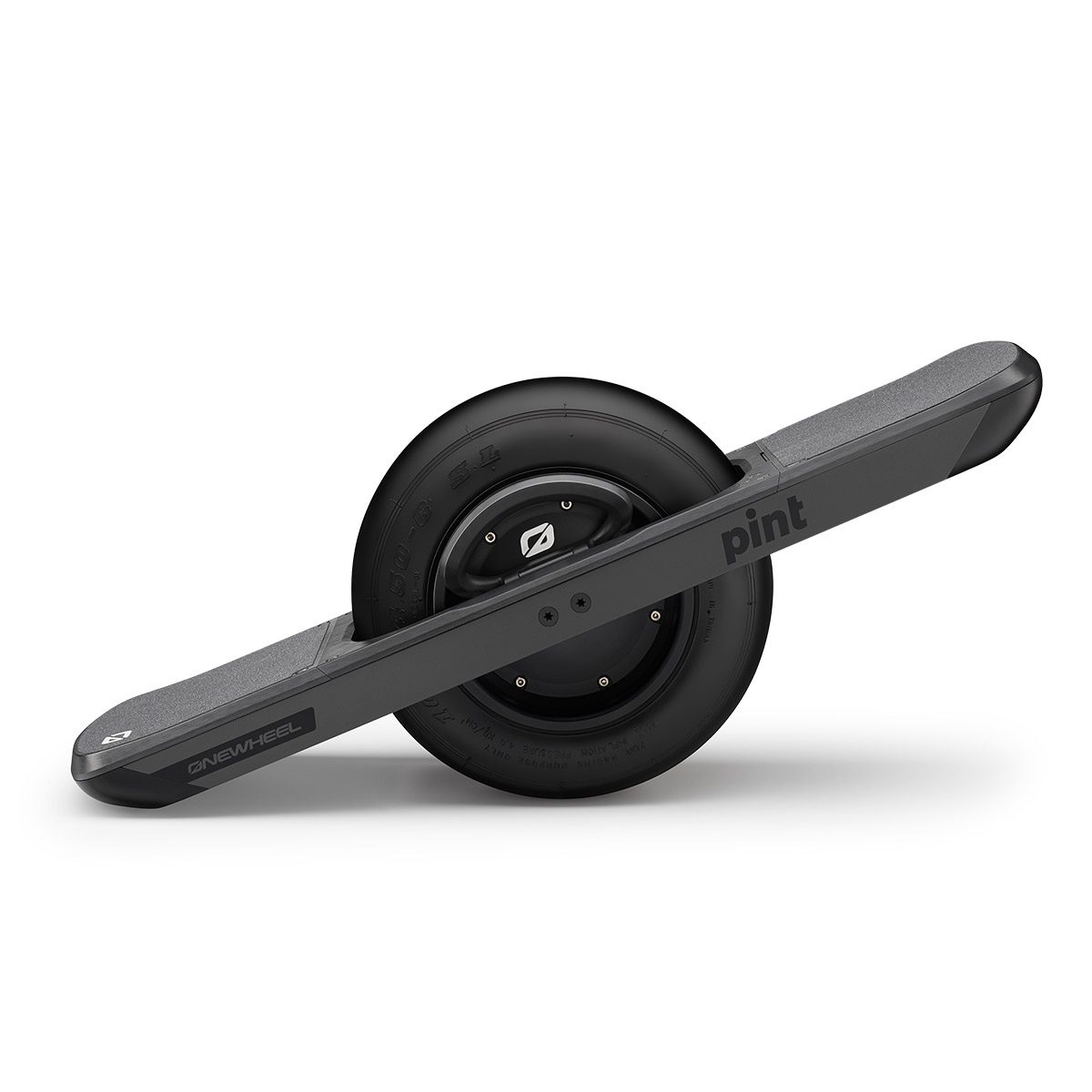
Onewheel Pint Electric Skateboard
🇬🇧personalelectrictransport.co.uk |
900.00 GBP | –Only listing | |
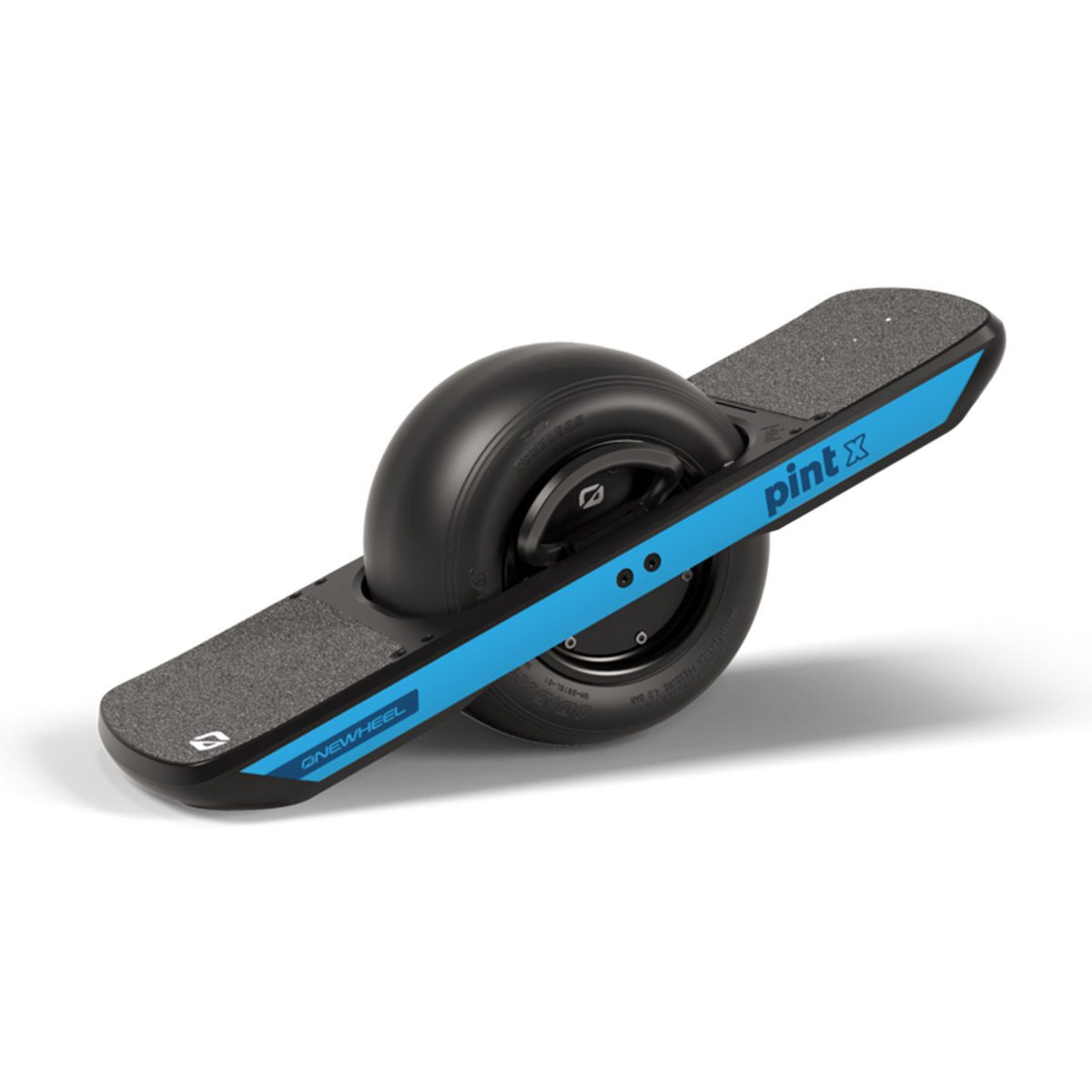
Onewheel Pint X Electric Skateboard
🇬🇧personalelectrictransport.co.uk |
1199.00 GBP | –Only listing | |
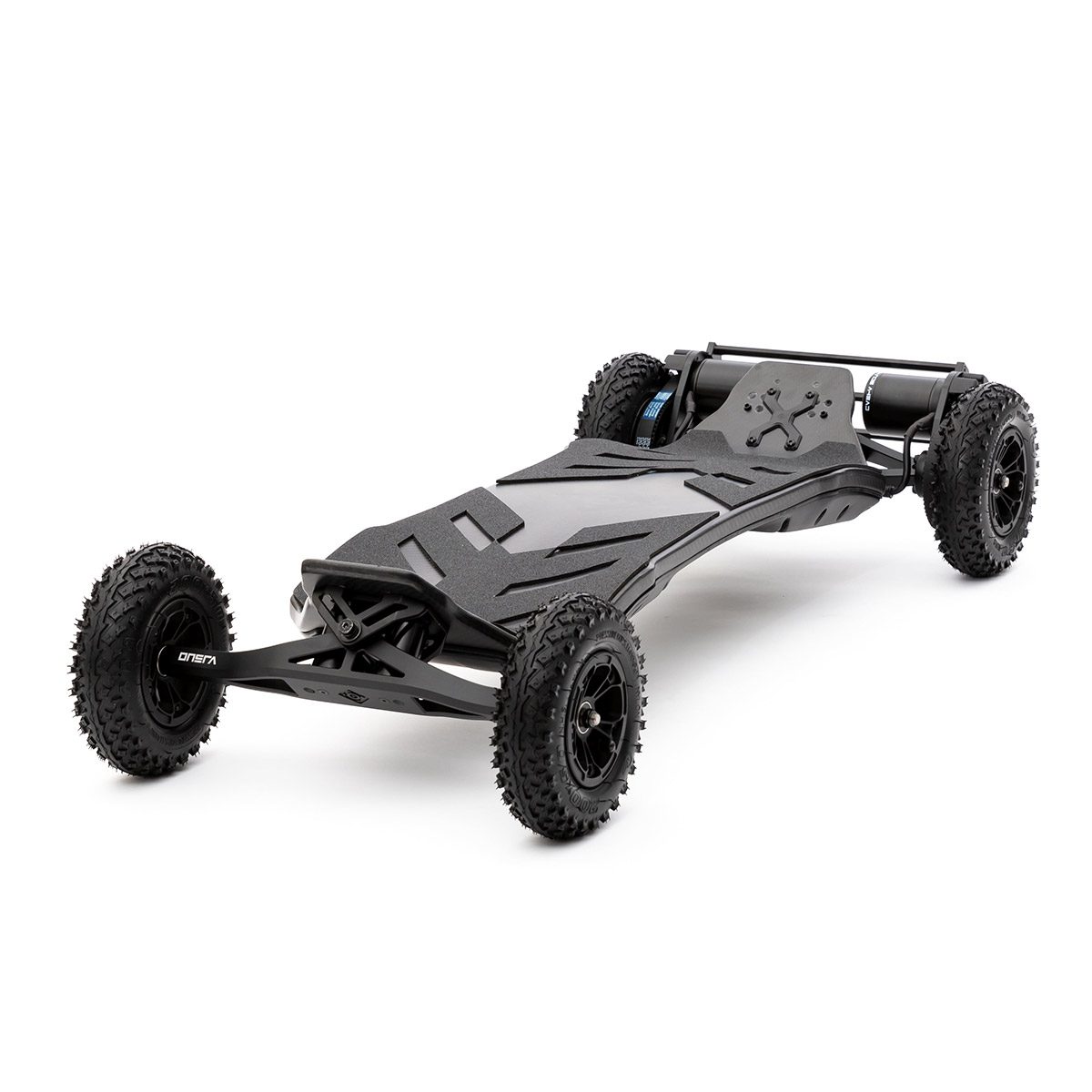
ONSRA Velar Off-Road Electric Skateboard
🇬🇧personalelectrictransport.co.uk |
2795.00 GBP | –Only listing |
All 10 electric skateboards from shops in the United Kingdom · today's real deals · the cheapest one · 36 under $500 · 111 under $1,000 · what one costs · recalls and safety alerts.
What the law above asks you to wear or fit: 77 helmets and pads in stock — a rule above names the helmet.
Sources
- Road Traffic Act 1988, s. 185 — Meaning of “motor vehicle” and other expressions relating to vehicles. Official source, read 2026-09-25.
-
DfT, Future of Transport Regulatory Review: Call for Evidence (March 2020), Figure B — Future of Transport Regulatory Review – Call for Evidence.
Official source, read 2026-09-25.
Consultation document; Figure B on PDF p. 20. Figure text extracted from a graphic caption. -
DfT information sheet: Powered transporters (updated 13 July 2020) — Guidance on powered transporters.
Official source, read 2026-09-25.
Does not itself name e-skateboards; lists e-scooters, Segways, hoverboards, go-peds, powered unicycles and u-wheels. - Highway Act 1835, s. 72 — Penalty on persons committing nuisances by riding on footpaths, &c.. Official source, read 2026-09-25.
-
Road Traffic Act 1988, s. 34 — Prohibition of driving mechanically propelled vehicles elsewhere than on roads.
Official source, read 2026-09-25.
Separate versions for England and Wales and for Scotland; subsection (1)(b) is identical in both. -
Road Traffic Act 1988, s. 21 — Prohibition of driving or parking on cycle tracks.
Official source, read 2026-09-25.
Extent shown as England and Wales. - GOV.UK, E-scooter trials: guidance for users — E-scooter trials: guidance for users. Official source, read 2026-09-25.
Every source on this page is the text as published by the legislature or the state agency itself. Open them.
How the United Kingdom compares
The same four questions for the United Kingdom and its neighbours and the rest of the country, each linked to its own page and citations. All 99 jurisdictions we have read are side by side on Compare all jurisdictions.
| Jurisdiction | Status | Helmet | Speed limit |
|---|---|---|---|
| United Kingdom | Prohibited | no rule naming the device | — |
| France | Regulated | A helmet is required nationally only where the authority has opened a road limited to 80 k | Service-public.fr: “La vitesse maximum autorisée est de 25 k |
| Ireland | Prohibited | no rule naming the device | — |
| Netherlands | Prohibited | no rule naming the device | — |
Compare all 99 jurisdictions →
The spread is the point. These are neighbouring jurisdictions regulating the same object, and they do not agree on what it is, how fast it may go, who may ride it, or whether it may be ridden at all. A rider who crosses a state line is, quite often, subject to a different legal category rather than a stricter version of the same one — which is why a single national answer to this question does not exist and why anyone offering you one has stopped reading the law.
It also explains why so many rows say the device is unaddressed. Most vehicle codes were written before this machine existed, and a legislature that has not revisited them has not thereby permitted anything — it has left the question to a general classification and to your city.
What about a Onewheel?
No text we read for the United Kingdom names a board with a single wheel. The reading above is for electric skateboards; whether a Onewheel falls in the same class, another one or none is a question the statutes here do not answer, and neither do we. 11 jurisdictions do name it — Are Onewheels legal?
Onewheel prices, read at the shops: what a Onewheel costs new · used Onewheel prices · Onewheel or electric skateboard · buy or sell a used one.
What this page does not tell you
- It is not legal advice, and it never says you may ride. It says what the statute says, and links it.
- It does not cover municipal law. Cities regulate sidewalks, parks, paths and often these devices by name. Those rules sit on top of everything above.
- It does not cover private property, insurance, or what happens after an accident.
- It may be out of date. Every source carries the day we read it. A statute amended since then will not have updated itself here.
Across the border: Ireland · France · Netherlands. Every other jurisdiction: the full list.
Questions this raises
Are electric skateboards legal in the United Kingdom?
The state says the device may not be operated on public highways. No UK statute names the electric skateboard. The Department for Transport treats motor-powered personal devices as “powered transporters”, which it says “fall within the legal definition of a “motor vehicle””, and its 2020 Future of Transport call for evidence lists the “Electric Skateboard” under the heading “Devices not currently legal for use on the road”. DfT guidance states it is illegal to use a powered transporter on pavements and in cycle lanes, and on public roads unless the full motor-vehicle requirements (insurance, registration, licensing, etc.) are met, which it says users “will find very difficult”. The only lawful setting the guidance identifies is private land with the owner's permission.
Is a Onewheel legal in the United Kingdom?
No statute we read for the United Kingdom names a board with a single wheel, so the law there does not answer directly. For electric skateboards, the status we found is: not allowed on public roads. Only 11 of the 99 jurisdictions we read name a one-wheel board: Utah, Quebec, Queensland, Tasmania, Seattle, South Korea, Belgium, British Columbia, New York, Victoria, the Netherlands.
Do I need a helmet in the United Kingdom?
No rule naming this device addresses helmets in the sources we have read for the United Kingdom. Your municipality may have one.
How fast am I allowed to go in the United Kingdom?
No speed limit specific to this device appears in the sources we have read for the United Kingdom.
Does this cover city rules?
No. This page reads state, provincial or national law only. Municipal codes frequently add rules — on sidewalks, parks and paths especially — and where the state has written nothing, the city has written everything.
How do I check this myself?
Open the links in the sources below. Every row in the table above names the section it comes from, and every source shows the date we read it. That is the whole point of the page: you should not have to take our word for it.